




Rhinophymal resection
A surgical procedure designed to correct rhinophyma and restore the normal shape and function of the nose.
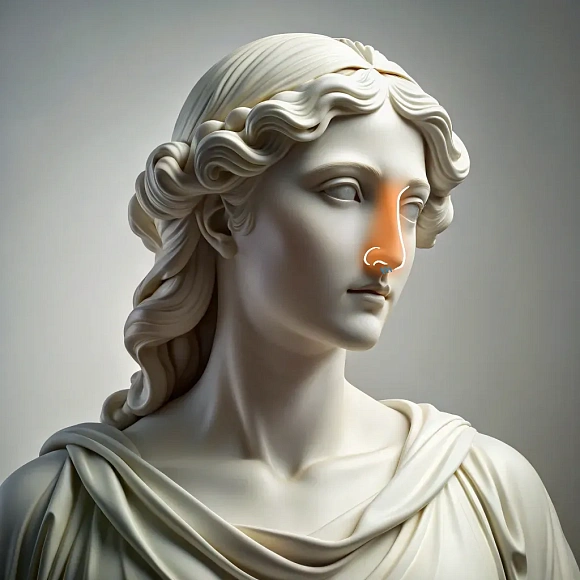
Rhinophyma is a chronic disease that leads to thickening and deformation of the nasal tissues. It is often associated with rosacea and is characterized by an increase in sebaceous glands and the development of nodules.
Rhinophymal resection is performed to remove hypertrophied tissue, restore the normal shape of the nose and to establish breathing.
Before rhinophyma resection, it is necessary to: Consult with a dermatologist and a surgeon Perform general blood and urine tests Bring the results of previous surveys, if any
Resection is performed in a hospital setting under local or general anesthesia. The surgeon carefully removes excess tissue in layers. A radio wave knife (loop) is used to drain the rhinophyma, which does not injure healthy nasal tissues and allows very thin layers to remove the altered tissue. The operation takes place without bleeding, its goal is to preserve healthy tissues as much as possible and ensure a good cosmetic and functional result.
Rhinophymes are used for resection: Surgical instruments (scalpels, forceps) Laser equipment Electrocoagulants Anaesthetic equipment
After the procedure, the patient spends several hours in the hospital or up to 1-2 days, depending on the condition. In the first days, it is recommended to avoid physical exertion and not touch the nose. It is important to avoid direct sunlight and follow all doctor's recommendations for a quick recovery.
Benefits
Improved appearance
The procedure restores the normal shape and appearance of the nose.
Restoration of nasal function
Resection helps to eliminate deformities and improve breathing.
Long-term result
The procedure provides a stable and long-term effect.
Minimal risk of complications
Modern surgical methods ensure a safe recovery.
Врачи
Смотреть всех врачейSimilar referral activities
Anemia of the nasal cavity
Medical manipulation aimed at reducing blood flow in the nasal mucosa to reduce swelling and facilitate breathing.
Administration of drugs into the nasal cavity
One of the treatment methods that allows direct delivery of medicinal substances into the nasal cavity to combat infections, inflammation, allergies and other diseases of the nose and nasopharynx.
Video endoscopy
A detailed examination of the patient's upper respiratory tract during sleep in order to identify the cause of snoring, the severity of obstructive sleep apnea syndrome and to resolve the issue of long-range treatment tactics.
Opening of an ear abscess
A procedure aimed at removing pus from the ear tissues. It is required in the presence of an abscess — a formation with purulent contents.
Autopsy of an auricle hematoma
Removal of accumulated blood from under the skin of the auricle for pain relief and proper restoration of the shape of the ear.
Opening of purulent formations
A procedure to ensure drainage of the infected area to alleviate symptoms and prevent the spread of infection.
How to reach


- Route from exit 4 of the «Belorusskaya» metro station
- Route from exit 2 of the «Belorusskaya» metro station
How to get
From the Belorusskaya metro station of the Zamoskvoretskaya line - exit 4 After exiting the subway, walk through the pedestrian tunnel and climb the stairs. Move towards the railway tracks, go down the stairs immediately after them and walk along the house, then turn right onto 1st Yamskoye Pole Street. At the turn to 3rd Yamsky Pole Street, cross the road at the pedestrian crossing and continue along 1st Yamsky Field Street, after a few buildings on the left you will see Olympus Clinic MARS.
Travel time
9 minutes
Landmark
Olympus Clinic MARS sign
How to get
From the Belorusskaya metro station of the Ring line - exit 2. After exiting the subway, turn left and walk to the pedestrian crossing. Cross the road through two pedestrian crossings and move along the Tverskoy overpass. Go down the stairs immediately after the railway tracks, walk along the house, then turn right onto 1st Yamskoye Pole Street. At the turn to 3rd Yamsky Pole Street, cross the road at the pedestrian crossing and continue along 1st Yamsky Field Street, after a few buildings on the left you will see Olympus Clinic MARS
Travel time
11 minutes
Landmark
Olympus Clinic MARS sign
Parking lot map
Exit 3 from the metro and 640 meters straight ahead, the clinic will be on the right. Landmark - sign Olymp Clinic
- Route from the «Sukharevskaya» metro station
- Route from the «Tsvetnoy Boulevard» metro station
From the metro station "Tsvetnoy Bulvar"
1 exit to the city, then left to the Garden Ring, at the crossing to the right, crossing the boulevard, one more crossing and at the traffic light to the left. The Olymp Clinic building is located overlooking the Garden Ring to the right of the crossing. Travel time is approximately 9 minutes. Landmark - sign Olymp Clini
From the metro station "Sukharevskaya"
Exit 3 from the metro and 640 meters straight ahead, the clinic will be on the right. Landmark - sign Olymp Clinic
Parking lot map
Exit 3 from the metro and 640 meters straight ahead, the clinic will be on the right. Landmark - sign Olymp Clinic
- The route from the «Airport» metro station
- Route from the «Sokol» metro station
From Sokol metro station
The last car from the center: follow the signs for Exit 5. From the glass doors to the right and go to the end of the passage. Exit to the city by the steps to the left. After exiting the crossing to the street, go straight along Leningradsky Prospekt to the intersection with Chapaevsky Lane. Next, turn right (onto Chapaevsky Lane) and walk to the Triumph Palace residential complex. Entrance to the territory: through checkpoint No. 1, opposite the Vkusville store, you will need to present your passport. After passing through the checkpoint, go up the stairs to the fountain, opposite it you will see our clinic.
Travel time
10-12 minutes
From the Airport metro station
The first car from the center: follow the Exit 2-3 signs. Turn left out of the glass doors and walk to the end of the passage. After exiting the crossing to the street, go straight along Leningradsky Prospekt to the intersection with Chapaevsky Lane. Next, turn left (onto Chapaevsky Lane) and walk to the Triumph Palace residential complex. Entrance to the territory: through checkpoint No. 1, opposite the Vkusville store, you will need to present your passport. After passing through the checkpoint, go up the stairs to the fountain, opposite it you will see our clinic.
Travel time
12-15 minutes
How to get
Entry to the territory is prohibited, but there are free city parking lots around the Triumph Palace residential complex, where you can easily find a place for your car.
- Route from exit 4 of the «Belorusskaya» metro station
- Route from exit 2 of the «Belorusskaya» metro station
How to get
From the Belorusskaya metro station of the Zamoskvoretskaya line - exit 4 After exiting the subway, walk through the pedestrian tunnel and climb the stairs. Move towards the railway tracks, go down the stairs immediately after them and walk along the house, then turn right onto 1st Yamskoye Pole Street. At the turn to 3rd Yamsky Pole Street, cross the road at the pedestrian crossing and continue along 1st Yamsky Field Street, after a few buildings on the left you will see Olympus Clinic MARS.
Travel time
9 minutes
Landmark
Olympus Clinic MARS sign
How to get
From the Belorusskaya metro station of the Ring line - exit 2. After exiting the subway, turn left and walk to the pedestrian crossing. Cross the road through two pedestrian crossings and move along the Tverskoy overpass. Go down the stairs immediately after the railway tracks, walk along the house, then turn right onto 1st Yamskoye Pole Street. At the turn to 3rd Yamsky Pole Street, cross the road at the pedestrian crossing and continue along 1st Yamsky Field Street, after a few buildings on the left you will see Olympus Clinic MARS
Travel time
11 minutes
Landmark
Olympus Clinic MARS sign
Parking lot map
Exit 3 from the metro and 640 meters straight ahead, the clinic will be on the right. Landmark - sign Olymp Clinic