




Botulinum therapy for neurological diseases
This is a treatment method based on the injection of botulinum toxin type A into certain muscles to temporarily block nerve impulses, reduce muscle spasms and relieve pain.
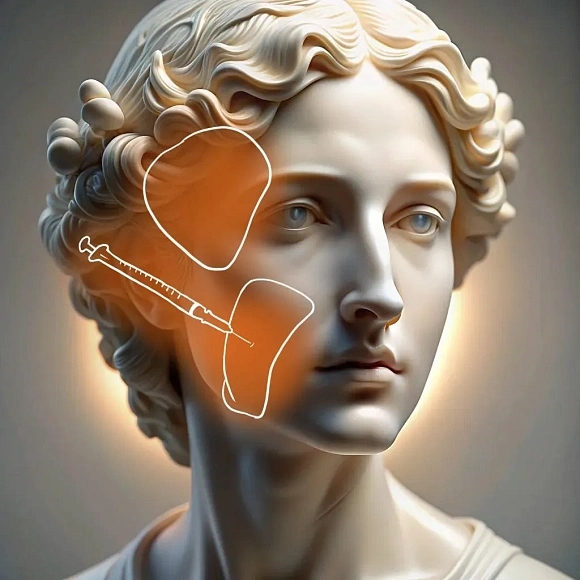
When botulinum toxin is injected into spastic (tense) muscles, it blocks the transmission of nerve signals and causes them to relax. This helps to improve the quality of life of patients who have suffered a stroke, spinal cord injury, suffering from multiple sclerosis and cerebral palsy.
Botulinum therapy is also used to treat migraines and chronic tension headaches. The drug blocks the release of chemicals associated with the occurrence of migraines, reducing the frequency and intensity of headache attacks. About 70% of patients report improvement after the first procedure. Botulinum therapy is also used to treat seizures, dystonia and tremor, bruxism and blepharospasm. The administration of botulinum toxin helps to reduce the activity of the muscles that cause the symptoms of these conditions, improving the well-being of patients.
Before botulinum therapy, it is necessary to consult with a neurologist to determine the indications for the procedure. To carry out general blood tests and other necessary studies. If necessary, undergo additional examinations (MRI, ultrasound).
The procedure is performed on an outpatient basis and lasts about 10-30 minutes. The doctor determines the points of administration of botulinum toxin depending on the patient's condition and the goals of treatment. After determining the injection points, the doctor injects botulinum toxin with a thin needle. The number of injections and the dosage of the drug depend on the severity and localization of the neurological condition.
Thin needles for injection. Botulinum toxin type A preparation (for example, Botox, Dysport).
After the procedure, the patient can return to normal life almost immediately. It is recommended to avoid intense physical exertion and massage in the injection area during the first 24 hours. The effects of botulinum therapy begin to manifest themselves after a few days and can last from several months to six months.
Benefits
Minimally invasive method
Botulinum therapy does not require surgical intervention.
Long-lasting effect
The effect can last from several weeks to several months.
Reducing symptoms
Botulinum therapy effectively reduces spasticity, migraines and other neurological symptoms.
Comfort and safety
The procedure is performed with minimal discomfort and has a low risk of side effects.
Врачи
Смотреть всех врачейSimilar referral activities
Lumbar puncture
Minimally invasive sampling of cerebrospinal fluid to study its composition in order to identify the causes of diseases of the nervous system.
Headache Treatment
An individual approach to the treatment of headaches, aimed at eliminating symptoms and identifying the root cause.
Migraine Treatment
Treatment aimed at reducing the frequency and intensity of migraine attacks. It may include drug therapy, behavioral and cognitive techniques, as well as recommendations for lifestyle and nutrition changes.
Neurologist's appointment
Specialists diagnose neurological symptoms. Among the disorders of NS, it is customary to distinguish several groups of clinical signs — pain syndrome, motor and/or sensory disorders, coordination disorders, pelvic disorders and general symptoms.
Ultrasound of peripheral nerves
A diagnostic method that allows you to assess the condition of nerve trunks and identify pathological changes that disrupt the conduction of nerve impulses.
How to reach


- Route from exit 4 of the «Belorusskaya» metro station
- Route from exit 2 of the «Belorusskaya» metro station
How to get
From the Belorusskaya metro station of the Zamoskvoretskaya line - exit 4 After exiting the subway, walk through the pedestrian tunnel and climb the stairs. Move towards the railway tracks, go down the stairs immediately after them and walk along the house, then turn right onto 1st Yamskoye Pole Street. At the turn to 3rd Yamsky Pole Street, cross the road at the pedestrian crossing and continue along 1st Yamsky Field Street, after a few buildings on the left you will see Olympus Clinic MARS.
Travel time
9 minutes
Landmark
Olympus Clinic MARS sign
How to get
From the Belorusskaya metro station of the Ring line - exit 2. After exiting the subway, turn left and walk to the pedestrian crossing. Cross the road through two pedestrian crossings and move along the Tverskoy overpass. Go down the stairs immediately after the railway tracks, walk along the house, then turn right onto 1st Yamskoye Pole Street. At the turn to 3rd Yamsky Pole Street, cross the road at the pedestrian crossing and continue along 1st Yamsky Field Street, after a few buildings on the left you will see Olympus Clinic MARS
Travel time
11 minutes
Landmark
Olympus Clinic MARS sign
Parking lot map
Exit 3 from the metro and 640 meters straight ahead, the clinic will be on the right. Landmark - sign Olymp Clinic
- Route from the «Sukharevskaya» metro station
- Route from the «Tsvetnoy Boulevard» metro station
From the metro station "Tsvetnoy Bulvar"
1 exit to the city, then left to the Garden Ring, at the crossing to the right, crossing the boulevard, one more crossing and at the traffic light to the left. The Olymp Clinic building is located overlooking the Garden Ring to the right of the crossing. Travel time is approximately 9 minutes. Landmark - sign Olymp Clini
From the metro station "Sukharevskaya"
Exit 3 from the metro and 640 meters straight ahead, the clinic will be on the right. Landmark - sign Olymp Clinic
Parking lot map
Exit 3 from the metro and 640 meters straight ahead, the clinic will be on the right. Landmark - sign Olymp Clinic
- The route from the «Airport» metro station
- Route from the «Sokol» metro station
From Sokol metro station
The last car from the center: follow the signs for Exit 5. From the glass doors to the right and go to the end of the passage. Exit to the city by the steps to the left. After exiting the crossing to the street, go straight along Leningradsky Prospekt to the intersection with Chapaevsky Lane. Next, turn right (onto Chapaevsky Lane) and walk to the Triumph Palace residential complex. Entrance to the territory: through checkpoint No. 1, opposite the Vkusville store, you will need to present your passport. After passing through the checkpoint, go up the stairs to the fountain, opposite it you will see our clinic.
Travel time
10-12 minutes
From the Airport metro station
The first car from the center: follow the Exit 2-3 signs. Turn left out of the glass doors and walk to the end of the passage. After exiting the crossing to the street, go straight along Leningradsky Prospekt to the intersection with Chapaevsky Lane. Next, turn left (onto Chapaevsky Lane) and walk to the Triumph Palace residential complex. Entrance to the territory: through checkpoint No. 1, opposite the Vkusville store, you will need to present your passport. After passing through the checkpoint, go up the stairs to the fountain, opposite it you will see our clinic.
Travel time
12-15 minutes
How to get
Entry to the territory is prohibited, but there are free city parking lots around the Triumph Palace residential complex, where you can easily find a place for your car.
- Route from exit 4 of the «Belorusskaya» metro station
- Route from exit 2 of the «Belorusskaya» metro station
How to get
From the Belorusskaya metro station of the Zamoskvoretskaya line - exit 4 After exiting the subway, walk through the pedestrian tunnel and climb the stairs. Move towards the railway tracks, go down the stairs immediately after them and walk along the house, then turn right onto 1st Yamskoye Pole Street. At the turn to 3rd Yamsky Pole Street, cross the road at the pedestrian crossing and continue along 1st Yamsky Field Street, after a few buildings on the left you will see Olympus Clinic MARS.
Travel time
9 minutes
Landmark
Olympus Clinic MARS sign
How to get
From the Belorusskaya metro station of the Ring line - exit 2. After exiting the subway, turn left and walk to the pedestrian crossing. Cross the road through two pedestrian crossings and move along the Tverskoy overpass. Go down the stairs immediately after the railway tracks, walk along the house, then turn right onto 1st Yamskoye Pole Street. At the turn to 3rd Yamsky Pole Street, cross the road at the pedestrian crossing and continue along 1st Yamsky Field Street, after a few buildings on the left you will see Olympus Clinic MARS
Travel time
11 minutes
Landmark
Olympus Clinic MARS sign
Parking lot map
Exit 3 from the metro and 640 meters straight ahead, the clinic will be on the right. Landmark - sign Olymp Clinic