




Diagnostics and treatment of urethritis
A comprehensive approach to identifying the causes of urethral inflammation and developing an effective treatment plan.
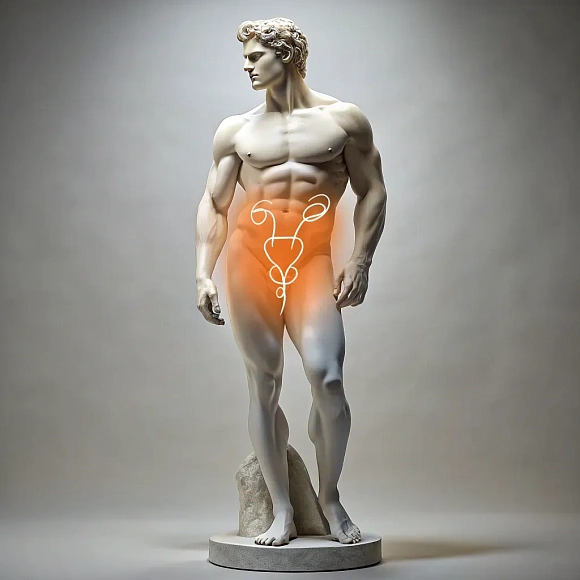
Urethritis is an inflammation of the urethra, which can be caused by bacterial, viral, fungal infections or chemical irritation. Common symptoms of urethritis include burning, itching and pain when urinating, urethral discharge, and discomfort in the genital area.
Urethritis treatment depends on the exact cause of the problem. In case of bacterial urethritis, the treatment is based on antibiotics. For viral or fungal infections, antiviral and antifungal drugs are used.
Following the treatment, it is important to maintain genital hygiene, avoid hypothermia and keep a healthy lifestyle. Treatment usually takes a few days to a week, but chronic urethritis may require longer rehabilitation with supportive therapy.
Consultation with a urologist for medical history and examination. Common urine test to detect signs of inflammation. Bacteriological urine culture to determine the infectious agent. STI tests. Ultrasound of the urinary tract (if necessary).
The patient should abstain from sexual intercourse for 24-48 hours before the test and maintain genital hygiene. The urologist will ascertain the symptoms and history of the disease, as well as examine the genitals and urethra during the diagnostics. Urine and urethral swabs are tested for bacteriological examination and PCR (polymerase chain reaction) to confirm the diagnosis and identify the infectious agent.
Antibiotics, antiviral or antifungal drugs are prescribed based on the identified infectious agent. The course of treatment and type of medication depends on the infection and the severity of the disease. Comprehensive treatment may include physiotherapy procedures such as UHF therapy, magnet therapy and laser therapy.
Benefits
Fast and accurate diagnosis
Modern methods allow you to quickly identify the cause of urethritis and prescribe effective treatment.
Effective elimination of symptoms
Proper therapy allows you to quickly get rid of pain, burning and other unpleasant symptoms.
Prevention of complications
Timely treatment prevents the development of complications and the transition of the disease to a chronic form.
An integrated approach
Treatment is aimed not only at eliminating symptoms, but also at preventing relapses.
Frequently Asked Questions
Can urethritis be cured in one antibiotic course?
What complications can occur if urethritis is left untreated?
Is it safe to have sexual intercourse during treatment for urethritis?
Didn't find an answer to your question?
You can describe your problem in detail and ask a question to the doctor. He will answer you and help you find a solution
Врачи
Смотреть всех врачей
Similar referral activities
Spermatocelectomy
A surgical procedure to remove a cystic mass in the testicular epididymis.
Microsurgical varicocele treatment (Marmar method)
One of the most efficient and safe ways to treat varicocele, particularly when it comes to preserving fertility and minimising the risks of recurrence.
Microsurgical varicocele treatment
Surgical treatment of varicocele. During surgery, the dilated veins of the testicle and the spermatic cord are removed to restore normal blood supply and improve reproductive function.
Minimally invasive ureteral stone removal
An advanced technique aimed at safe and effective removal of ureteral stones with minimal trauma.
Minimally invasive kidney stone removal
An advanced technique aimed at safe and effective removal of kidney stones with minimal trauma.
Circumcision
Circumcision is the surgical removal of the foreskin covering the head of the penis. It may be performed for medical indications, sanitary purposes, or cultural and religious reasons.
How to reach


- Route from exit 4 of the «Belorusskaya» metro station
- Route from exit 2 of the «Belorusskaya» metro station
How to get
From the Belorusskaya metro station of the Zamoskvoretskaya line - exit 4 After exiting the subway, walk through the pedestrian tunnel and climb the stairs. Move towards the railway tracks, go down the stairs immediately after them and walk along the house, then turn right onto 1st Yamskoye Pole Street. At the turn to 3rd Yamsky Pole Street, cross the road at the pedestrian crossing and continue along 1st Yamsky Field Street, after a few buildings on the left you will see Olympus Clinic MARS.
Travel time
9 minutes
Landmark
Olympus Clinic MARS sign
How to get
From the Belorusskaya metro station of the Ring line - exit 2. After exiting the subway, turn left and walk to the pedestrian crossing. Cross the road through two pedestrian crossings and move along the Tverskoy overpass. Go down the stairs immediately after the railway tracks, walk along the house, then turn right onto 1st Yamskoye Pole Street. At the turn to 3rd Yamsky Pole Street, cross the road at the pedestrian crossing and continue along 1st Yamsky Field Street, after a few buildings on the left you will see Olympus Clinic MARS
Travel time
11 minutes
Landmark
Olympus Clinic MARS sign
Parking lot map
Exit 3 from the metro and 640 meters straight ahead, the clinic will be on the right. Landmark - sign Olymp Clinic
- Route from the «Sukharevskaya» metro station
- Route from the «Tsvetnoy Boulevard» metro station
From the metro station "Tsvetnoy Bulvar"
1 exit to the city, then left to the Garden Ring, at the crossing to the right, crossing the boulevard, one more crossing and at the traffic light to the left. The Olymp Clinic building is located overlooking the Garden Ring to the right of the crossing. Travel time is approximately 9 minutes. Landmark - sign Olymp Clini
From the metro station "Sukharevskaya"
Exit 3 from the metro and 640 meters straight ahead, the clinic will be on the right. Landmark - sign Olymp Clinic
Parking lot map
Exit 3 from the metro and 640 meters straight ahead, the clinic will be on the right. Landmark - sign Olymp Clinic
- The route from the «Airport» metro station
- Route from the «Sokol» metro station
From Sokol metro station
The last car from the center: follow the signs for Exit 5. From the glass doors to the right and go to the end of the passage. Exit to the city by the steps to the left. After exiting the crossing to the street, go straight along Leningradsky Prospekt to the intersection with Chapaevsky Lane. Next, turn right (onto Chapaevsky Lane) and walk to the Triumph Palace residential complex. Entrance to the territory: through checkpoint No. 1, opposite the Vkusville store, you will need to present your passport. After passing through the checkpoint, go up the stairs to the fountain, opposite it you will see our clinic.
Travel time
10-12 minutes
From the Airport metro station
The first car from the center: follow the Exit 2-3 signs. Turn left out of the glass doors and walk to the end of the passage. After exiting the crossing to the street, go straight along Leningradsky Prospekt to the intersection with Chapaevsky Lane. Next, turn left (onto Chapaevsky Lane) and walk to the Triumph Palace residential complex. Entrance to the territory: through checkpoint No. 1, opposite the Vkusville store, you will need to present your passport. After passing through the checkpoint, go up the stairs to the fountain, opposite it you will see our clinic.
Travel time
12-15 minutes
How to get
Entry to the territory is prohibited, but there are free city parking lots around the Triumph Palace residential complex, where you can easily find a place for your car.
- Route from exit 4 of the «Belorusskaya» metro station
- Route from exit 2 of the «Belorusskaya» metro station
How to get
From the Belorusskaya metro station of the Zamoskvoretskaya line - exit 4 After exiting the subway, walk through the pedestrian tunnel and climb the stairs. Move towards the railway tracks, go down the stairs immediately after them and walk along the house, then turn right onto 1st Yamskoye Pole Street. At the turn to 3rd Yamsky Pole Street, cross the road at the pedestrian crossing and continue along 1st Yamsky Field Street, after a few buildings on the left you will see Olympus Clinic MARS.
Travel time
9 minutes
Landmark
Olympus Clinic MARS sign
How to get
From the Belorusskaya metro station of the Ring line - exit 2. After exiting the subway, turn left and walk to the pedestrian crossing. Cross the road through two pedestrian crossings and move along the Tverskoy overpass. Go down the stairs immediately after the railway tracks, walk along the house, then turn right onto 1st Yamskoye Pole Street. At the turn to 3rd Yamsky Pole Street, cross the road at the pedestrian crossing and continue along 1st Yamsky Field Street, after a few buildings on the left you will see Olympus Clinic MARS
Travel time
11 minutes
Landmark
Olympus Clinic MARS sign
Parking lot map
Exit 3 from the metro and 640 meters straight ahead, the clinic will be on the right. Landmark - sign Olymp Clinic