

High-intensity magnetic therapy (SIS)
The method of physiotherapy, which is based on the effect of a powerful pulsed magnetic field on body tissues, which contributes to pain relief, reduces inflammation and accelerates tissue regeneration.
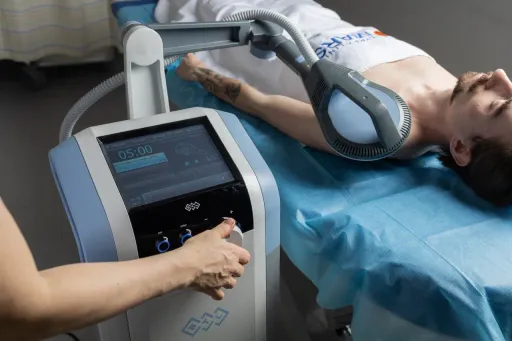
High-intensity magnetic therapy (SIS) is used to reduce pain, accelerate healing and improve the function of the affected organ. An intense magnetic field affects the tissues of the body, causing muscle contractions and improving blood circulation in the treatment area.
Unlike standard magnetic therapy, high-intensity magnetic therapy allows you to achieve a more pronounced therapeutic effect in a short time. SIS affects deeper tissues and causes a noticeable muscle contraction. This helps to activate the recovery processes and relieve pain after the first sessions.
Consultation with a physiotherapist. Appointment of additional studies (if necessary). Determination of suitable parameters for high-intensity magnetic therapy.
The doctor sets the exposure parameters (intensity of the magnetic field, frequency and duration of the procedure). The magnetic applicator is applied to the affected area, but does not come into contact with the skin. The pulse field penetrates deep into the tissues, causing soft muscle contractions, improving blood and lymph circulation. Each procedure lasts from 10 to 25 minutes, depending on the diagnosis and the patient's condition. To achieve a lasting effect, a course of 5-10 procedures is required, performed daily or every other day.
BTL-6000 Super Inductive System Elite
After the procedure, the patient can immediately return to daily life. In some cases, after the first sessions, there is a decrease in the severity of symptoms — reduced pain and improved joint mobility.
Benefits
High efficiency
The procedure significantly accelerates the restoration of tissues and joints.
Painlessness
SIS is painless for the patient and does not cause discomfort.
Versatility of application
It is used for the treatment of pain syndromes, recovery after operations and injuries, treatment of muscle and joint diseases.
Frequently Asked Questions
What are the indications for high-intensity magnetic therapy?
Degenerative joint diseases (arthrosis, arthritis).
Neuropathic pain (for example, in radiculopathy, trigeminal neuralgia).
Myofascial syndrome.
Rehabilitation after injuries and operations of the musculoskeletal system.
How does the procedure feel?
Are there any contraindications?
The presence of a pacemaker and other electronic implants
Oncological diseases
Pregnancy
Infectious diseases in the acute phase
Disorders of the cardiovascular system in the acute stage.
Didn't find an answer to your question?
You can describe your problem in detail and ask a question to the doctor. He will answer you and help you find a solution
Врачи
Смотреть всех врачей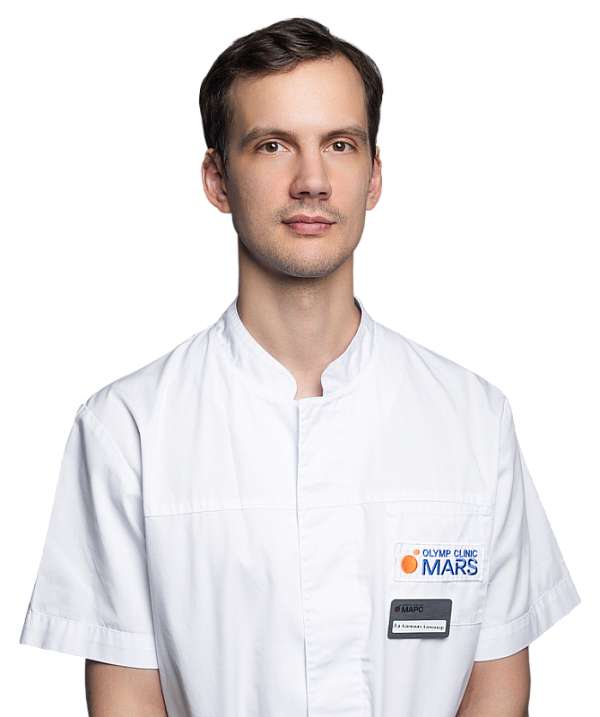
Manual Therapist, Exercise Therapy and Sports Medicine Specialist
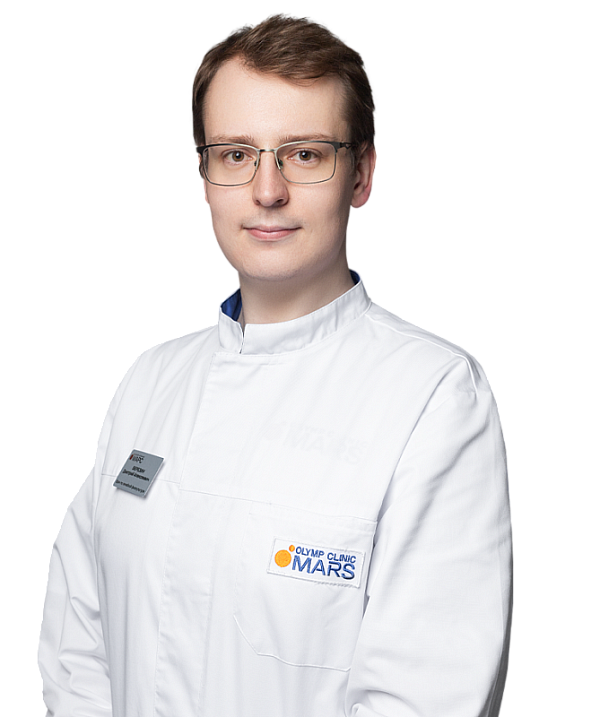
Exercise Therapy and Sports Medicine Physician
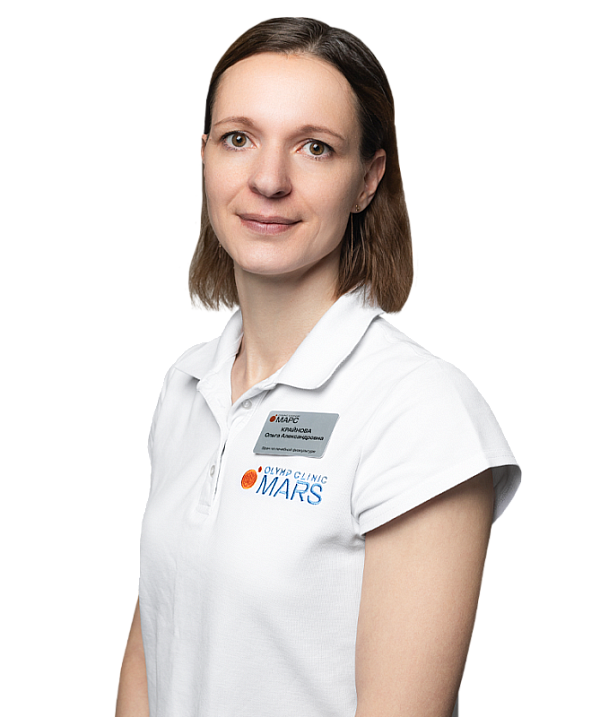
Exercise therapy and sports medicine physician
Similar referral activities
Consultation with a rehabilitation medicine physician
The doctor of the department of rehabilitation and restorative treatment is engaged in restoring or compensating for the lost functions of the patient after various injuries, operations and diseases.
Techar therapy
A method of physiotherapy based on the use of electromagnetic waves of a certain frequency for a deep impact on the tissues of the body.
Shock Wave therapy (UHT)
A treatment method based on the effect of acoustic shock waves on body tissues.
Low-frequency electrostatic therapy
A method of physiotherapy based on the effect of a low-frequency electrostatic field on body tissues.
Mechanotherapy
A rehabilitation method based on the use of mechanical devices to restore joint mobility and increase muscle strength in patients after injuries and operations on the musculoskeletal system.
Therapeutic massage
One of the options for manual action on the soft tissues of the body, aimed at the restoration, treatment and prevention of various diseases.
How to reach


- Route from exit 4 of the «Belorusskaya» metro station
- Route from exit 2 of the «Belorusskaya» metro station
How to get
From the Belorusskaya metro station of the Zamoskvoretskaya line - exit 4 After exiting the subway, walk through the pedestrian tunnel and climb the stairs. Move towards the railway tracks, go down the stairs immediately after them and walk along the house, then turn right onto 1st Yamskoye Pole Street. At the turn to 3rd Yamsky Pole Street, cross the road at the pedestrian crossing and continue along 1st Yamsky Field Street, after a few buildings on the left you will see Olympus Clinic MARS.
Travel time
9 minutes
Landmark
Olympus Clinic MARS sign
How to get
From the Belorusskaya metro station of the Ring line - exit 2. After exiting the subway, turn left and walk to the pedestrian crossing. Cross the road through two pedestrian crossings and move along the Tverskoy overpass. Go down the stairs immediately after the railway tracks, walk along the house, then turn right onto 1st Yamskoye Pole Street. At the turn to 3rd Yamsky Pole Street, cross the road at the pedestrian crossing and continue along 1st Yamsky Field Street, after a few buildings on the left you will see Olympus Clinic MARS
Travel time
11 minutes
Landmark
Olympus Clinic MARS sign
Parking lot map
Exit 3 from the metro and 640 meters straight ahead, the clinic will be on the right. Landmark - sign Olymp Clinic
- Route from the «Sukharevskaya» metro station
- Route from the «Tsvetnoy Boulevard» metro station
From the metro station "Tsvetnoy Bulvar"
1 exit to the city, then left to the Garden Ring, at the crossing to the right, crossing the boulevard, one more crossing and at the traffic light to the left. The Olymp Clinic building is located overlooking the Garden Ring to the right of the crossing. Travel time is approximately 9 minutes. Landmark - sign Olymp Clini
From the metro station "Sukharevskaya"
Exit 3 from the metro and 640 meters straight ahead, the clinic will be on the right. Landmark - sign Olymp Clinic
Parking lot map
Exit 3 from the metro and 640 meters straight ahead, the clinic will be on the right. Landmark - sign Olymp Clinic
- The route from the «Airport» metro station
- Route from the «Sokol» metro station
From Sokol metro station
The last car from the center: follow the signs for Exit 5. From the glass doors to the right and go to the end of the passage. Exit to the city by the steps to the left. After exiting the crossing to the street, go straight along Leningradsky Prospekt to the intersection with Chapaevsky Lane. Next, turn right (onto Chapaevsky Lane) and walk to the Triumph Palace residential complex. Entrance to the territory: through checkpoint No. 1, opposite the Vkusville store, you will need to present your passport. After passing through the checkpoint, go up the stairs to the fountain, opposite it you will see our clinic.
Travel time
10-12 minutes
From the Airport metro station
The first car from the center: follow the Exit 2-3 signs. Turn left out of the glass doors and walk to the end of the passage. After exiting the crossing to the street, go straight along Leningradsky Prospekt to the intersection with Chapaevsky Lane. Next, turn left (onto Chapaevsky Lane) and walk to the Triumph Palace residential complex. Entrance to the territory: through checkpoint No. 1, opposite the Vkusville store, you will need to present your passport. After passing through the checkpoint, go up the stairs to the fountain, opposite it you will see our clinic.
Travel time
12-15 minutes
How to get
Entry to the territory is prohibited, but there are free city parking lots around the Triumph Palace residential complex, where you can easily find a place for your car.
- Route from exit 4 of the «Belorusskaya» metro station
- Route from exit 2 of the «Belorusskaya» metro station
How to get
From the Belorusskaya metro station of the Zamoskvoretskaya line - exit 4 After exiting the subway, walk through the pedestrian tunnel and climb the stairs. Move towards the railway tracks, go down the stairs immediately after them and walk along the house, then turn right onto 1st Yamskoye Pole Street. At the turn to 3rd Yamsky Pole Street, cross the road at the pedestrian crossing and continue along 1st Yamsky Field Street, after a few buildings on the left you will see Olympus Clinic MARS.
Travel time
9 minutes
Landmark
Olympus Clinic MARS sign
How to get
From the Belorusskaya metro station of the Ring line - exit 2. After exiting the subway, turn left and walk to the pedestrian crossing. Cross the road through two pedestrian crossings and move along the Tverskoy overpass. Go down the stairs immediately after the railway tracks, walk along the house, then turn right onto 1st Yamskoye Pole Street. At the turn to 3rd Yamsky Pole Street, cross the road at the pedestrian crossing and continue along 1st Yamsky Field Street, after a few buildings on the left you will see Olympus Clinic MARS
Travel time
11 minutes
Landmark
Olympus Clinic MARS sign
Parking lot map
Exit 3 from the metro and 640 meters straight ahead, the clinic will be on the right. Landmark - sign Olymp Clinic