



Electrocardiogram (ECG)
Electrocardiography, or ECG, is a method of assessing the electrical signals in the heart. It records cardiac activity in real time, identifies irregular heart rhythms, signs of insufficient blood flow to the heart, and previous heart attacks, as well as hidden changes that are not visible during a medical exam.
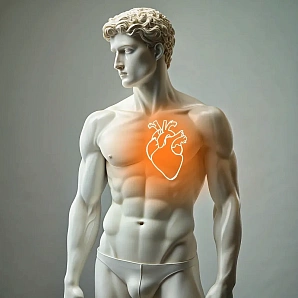
The procedure is quick, painless, and suitable for both routine examinations and diagnostics in cases of chest pain, heart palpitations, dizziness, or shortness of breath.
To get accurate results, it is important to prepare in advance. Avoid stress, physical exertion, alcohol, and heavy meals the day before the ECG test. The morning of the procedure, don't drink coffee or energy drinks, and don't smoke for 3 hours prior to the test. Wear comfortable clothing that you can easily remove so the electrodes can be placed.
The patient lies down on a couch, bares their chest, wrists, and shins. Then, the specialist wipes the skin with a degreasing solution and applies gel to improve contact with the electrodes. Colored electrodes are attached to the arms, legs, and chest. They record the electrical activity of the heart. It is important to stay completely still and calm to ensure accurate results. The procedure is painless and only takes a few minutes. The resulting cardiogram, a graph with peaks and intervals, is then analyzed based on a number of standard indicators.
An ECG is performed using an electrocardiograph, a device that records the electrical impulses of the heart through electrodes attached to the body. Modern systems are equipped with digital modules, which provide clear and accurate graphs and allow data to be stored or transmitted electronically. The unit displays the heart's activity in real time and ensures high diagnostic accuracy.
An ECG doesn't require any recovery or rest. The patient can immediately return to their regular activities , except when an ECG is done as part of emergency diagnostics and the patient needs to be admitted to the hospital or have more tests.
Benefits
Painless
ECG testing does not cause discomfort.
Safe
The procedure does not involve radiation or other types of exposure and can be performed repeatedly
For all ages
The examination can be done at any age, including for older or pregnant patients
Speedy
The procedure takes about 7-10 minutes
Frequently Asked Questions
Как часто нужно делать ЭКГ?
Can an ECG detect a heart attack?
Can an ECG be performed during pregnancy?
Is a medical consultation necessary after an ECG?
Didn't find an answer to your question?
You can describe your problem in detail and ask a question to the doctor. He will answer you and help you find a solution
Врачи
Смотреть всех врачей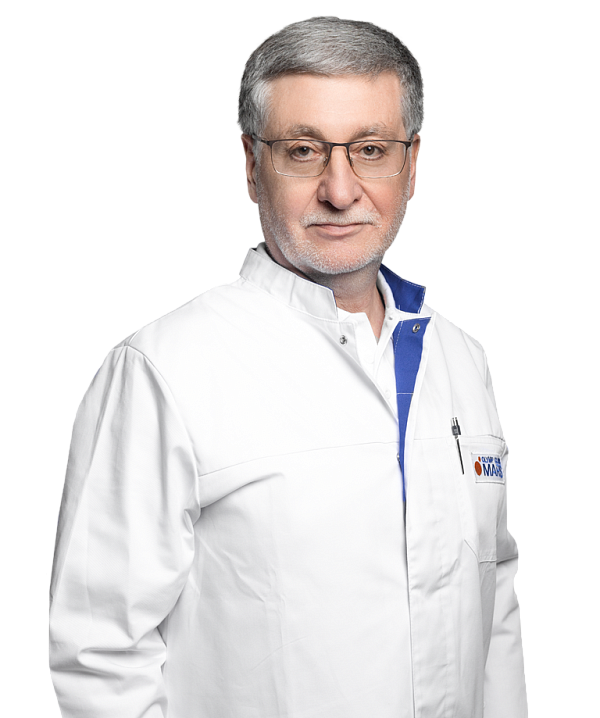
Cardiologist, Cardio-oncologist, Doctor of Medical Sciences, Professor

Cardiologist, Functional Diagnostician. Candidate of Medical Sciences.
Similar referral activities
Cardiologist's appointment
Медицинское обследование состояния сердца и сосудов, на котором врач выявляет риски развития сердечных заболеваний и разрабатывает рекомендации для улучшения сердечного здоровья.
The complex program "Adult heart 18+"
Early diagnosis of cardiovascular diseases for young people and active people.
Comprehensive program "Adult heart 45+"
Diagnosis of the cardiovascular system for patients over 45 years of age.
24-Hour Ambulatory blood pressure monitoring (ABPM)
24-hour ambulatory blood pressure monitoring (ABPM) is a noninvasive diagnostic test that measures blood pressure levels continuously throughout the day under normal activity conditions.
Holter monitor
Holter monitor is a small device used for continuous ECG recording. It is designed to monitor the heart function in a patient's daily life.
Записаться на консультацию
Web-form is not found.