

Cardiologist's appointment
Медицинское обследование состояния сердца и сосудов, на котором врач выявляет риски развития сердечных заболеваний и разрабатывает рекомендации для улучшения сердечного здоровья.
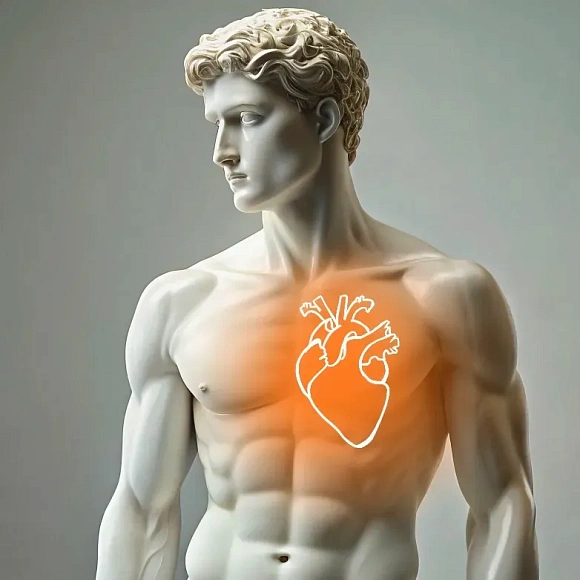
Coronary heart disease, hypertension, arrhythmias and heart failure are among the most common causes of morbidity and mortality in the world. Early diagnosis and cardiovascular diseases increase the chances of successful treatment.
You should seek advice if you experience chest pain, high blood pressure, rapid heartbeat, and decreased physical activity. The doctor will examine your medical history, conduct an examination and prescribe additional studies that will help find out the cause of the symptoms and prescribe effective treatment.
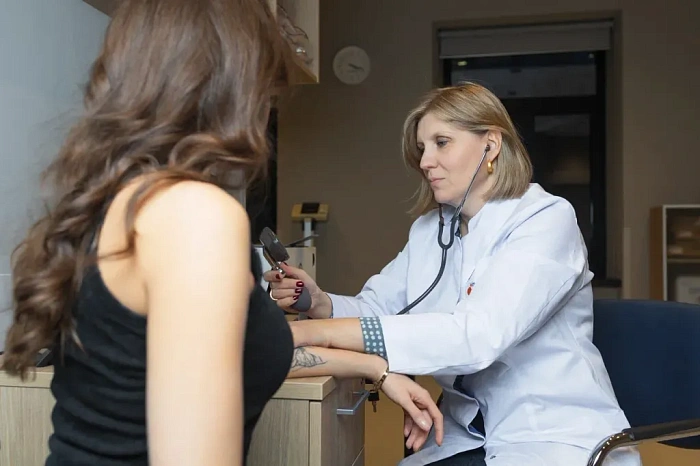
During the consultation, the doctor interviews the patient, collects anamnesis and conducts a physical examination. A cardiologist measures blood pressure, pulse, and performs auscultation of the heart and lungs. For a more accurate diagnosis, an electrocardiogram (ECG), echocardiography (ultrasound of the heart), Holter monitoring, stress tests or laboratory tests can be prescribed.
Follow the doctor's instructions, monitor blood pressure and pulse, monitor cholesterol and blood sugar levels. If necessary, the cardiologist can schedule repeated visits to monitor the condition and adjust treatment. It is recommended to avoid stress, smoking and excessive alcohol consumption, as well as lead an active lifestyle.
Before consulting a cardiologist, it is recommended to collect the results of previous studies and analyses, prepare a list of medications and supplements, and record the symptoms with an indication of their duration. 2-3 hours before the visit, it is advisable to refrain from intense physical activity and caffeine consumption.
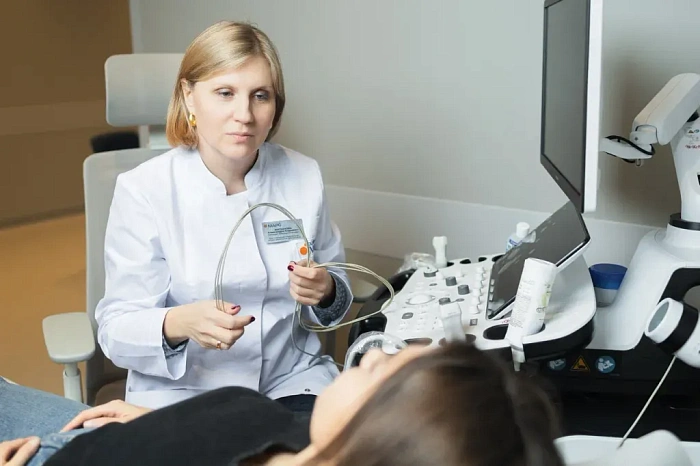
For consultation, the cardiologist uses a tonometer, a stethoscope, an electrocardiograph and an ultrasound machine. If necessary, a Holter monitor is used for long-term ECG monitoring.
Benefits
An integrated approach
A wide range of diagnostic measures ensures the accurate detection of cardiovascular pathologies.
Highly qualified specialists
Cardiologists with many years of experience and modern equipment guarantee high quality treatment.
Individual recommendations
Personalized treatment and prevention recommendations contribute to the effectiveness of therapy.
Constant monitoring and support
Visits to a cardiologist allow you to respond in a timely manner to changes in your health status.
Make an appointment for a consultation
It is recommended to prepare information about current complaints and symptoms, existing diseases and medications taken. It is useful to collect data on the family history of cardiovascular diseases. It is important to refrain from intense physical activity and caffeine intake a few hours before the visit.
Consultation
During the consultation, the doctor interviews the patient, collects anamnesis and conducts a physical examination. A cardiologist measures blood pressure, pulse, and performs auscultation of the heart and lungs. For a more accurate diagnosis, an electrocardiogram (ECG), echocardiography (ultrasound of the heart), Holter monitoring, stress tests or laboratory tests can be prescribed.
Recommendations
Follow your doctor's instructions, monitor your blood pressure and pulse, and monitor your cholesterol and blood sugar levels. If necessary, the cardiologist can schedule repeat visits to monitor the condition and adjust the treatment. It is recommended to avoid stress, smoking and excessive alcohol consumption, as well as to lead an active lifestyle.
Врачи
Смотреть всех врачейIndications and contraindications
Indications
Chest pain and discomfort
In the presence of pain, tightness or discomfort in the chest, especially during physical exertion.
High blood pressure
Regularly high blood pressure.
Cardiac arrhythmias
When there are sensations of heart failure, rapid or slow heartbeat.
Family history of cardiovascular diseases
If there have been cases of heart attack, stroke or other cardiovascular diseases in the family.
Cyanosis or swelling
High content in the blood of carbhemoglobin, the accumulation of excessive amount of fluid in the body.
Fainting
Loss of consciousness, problems with the blood supply to the brain.
Expected effect
Accurate diagnosis
A comprehensive examination allows you to identify diseases in the early stages and accurately determine the causes of symptoms.
Individual treatment plan
The treatment plan may include medication and, if necessary, surgery.
Prevention of complications
Preventing the development of serious complications such as myocardial infarction or stroke.
Monitoring and correction of therapy
Monitoring the effectiveness of treatment makes it possible to achieve a stable improvement in the condition.
Similar referral activities
The complex program "Adult heart 18+"
Early diagnosis of cardiovascular diseases for young people and active people.
Comprehensive program "Adult heart 45+"
Diagnosis of the cardiovascular system for patients over 45 years of age.
How to reach


- Route from exit 4 of the «Belorusskaya» metro station
- Route from exit 2 of the «Belorusskaya» metro station
How to get
From the Belorusskaya metro station of the Zamoskvoretskaya line - exit 4 After exiting the subway, walk through the pedestrian tunnel and climb the stairs. Move towards the railway tracks, go down the stairs immediately after them and walk along the house, then turn right onto 1st Yamskoye Pole Street. At the turn to 3rd Yamsky Pole Street, cross the road at the pedestrian crossing and continue along 1st Yamsky Field Street, after a few buildings on the left you will see Olympus Clinic MARS.
Travel time
9 minutes
Landmark
Olympus Clinic MARS sign
How to get
From the Belorusskaya metro station of the Ring line - exit 2. After exiting the subway, turn left and walk to the pedestrian crossing. Cross the road through two pedestrian crossings and move along the Tverskoy overpass. Go down the stairs immediately after the railway tracks, walk along the house, then turn right onto 1st Yamskoye Pole Street. At the turn to 3rd Yamsky Pole Street, cross the road at the pedestrian crossing and continue along 1st Yamsky Field Street, after a few buildings on the left you will see Olympus Clinic MARS
Travel time
11 minutes
Landmark
Olympus Clinic MARS sign
Parking lot map
Exit 3 from the metro and 640 meters straight ahead, the clinic will be on the right. Landmark - sign Olymp Clinic
- Route from the «Sukharevskaya» metro station
- Route from the «Tsvetnoy Boulevard» metro station
From the metro station "Tsvetnoy Bulvar"
1 exit to the city, then left to the Garden Ring, at the crossing to the right, crossing the boulevard, one more crossing and at the traffic light to the left. The Olymp Clinic building is located overlooking the Garden Ring to the right of the crossing. Travel time is approximately 9 minutes. Landmark - sign Olymp Clini
From the metro station "Sukharevskaya"
Exit 3 from the metro and 640 meters straight ahead, the clinic will be on the right. Landmark - sign Olymp Clinic
Parking lot map
Exit 3 from the metro and 640 meters straight ahead, the clinic will be on the right. Landmark - sign Olymp Clinic
- The route from the «Airport» metro station
- Route from the «Sokol» metro station
From Sokol metro station
The last car from the center: follow the signs for Exit 5. From the glass doors to the right and go to the end of the passage. Exit to the city by the steps to the left. After exiting the crossing to the street, go straight along Leningradsky Prospekt to the intersection with Chapaevsky Lane. Next, turn right (onto Chapaevsky Lane) and walk to the Triumph Palace residential complex. Entrance to the territory: through checkpoint No. 1, opposite the Vkusville store, you will need to present your passport. After passing through the checkpoint, go up the stairs to the fountain, opposite it you will see our clinic.
Travel time
10-12 minutes
From the Airport metro station
The first car from the center: follow the Exit 2-3 signs. Turn left out of the glass doors and walk to the end of the passage. After exiting the crossing to the street, go straight along Leningradsky Prospekt to the intersection with Chapaevsky Lane. Next, turn left (onto Chapaevsky Lane) and walk to the Triumph Palace residential complex. Entrance to the territory: through checkpoint No. 1, opposite the Vkusville store, you will need to present your passport. After passing through the checkpoint, go up the stairs to the fountain, opposite it you will see our clinic.
Travel time
12-15 minutes
How to get
Entry to the territory is prohibited, but there are free city parking lots around the Triumph Palace residential complex, where you can easily find a place for your car.
- Route from exit 4 of the «Belorusskaya» metro station
- Route from exit 2 of the «Belorusskaya» metro station
How to get
From the Belorusskaya metro station of the Zamoskvoretskaya line - exit 4 After exiting the subway, walk through the pedestrian tunnel and climb the stairs. Move towards the railway tracks, go down the stairs immediately after them and walk along the house, then turn right onto 1st Yamskoye Pole Street. At the turn to 3rd Yamsky Pole Street, cross the road at the pedestrian crossing and continue along 1st Yamsky Field Street, after a few buildings on the left you will see Olympus Clinic MARS.
Travel time
9 minutes
Landmark
Olympus Clinic MARS sign
How to get
From the Belorusskaya metro station of the Ring line - exit 2. After exiting the subway, turn left and walk to the pedestrian crossing. Cross the road through two pedestrian crossings and move along the Tverskoy overpass. Go down the stairs immediately after the railway tracks, walk along the house, then turn right onto 1st Yamskoye Pole Street. At the turn to 3rd Yamsky Pole Street, cross the road at the pedestrian crossing and continue along 1st Yamsky Field Street, after a few buildings on the left you will see Olympus Clinic MARS
Travel time
11 minutes
Landmark
Olympus Clinic MARS sign
Parking lot map
Exit 3 from the metro and 640 meters straight ahead, the clinic will be on the right. Landmark - sign Olymp Clinic