




Customized nutrition plan from a dietitian
Customized nutrition planning is a personalized approach that considers a patient's health, lifestyle, preferences, and goals.
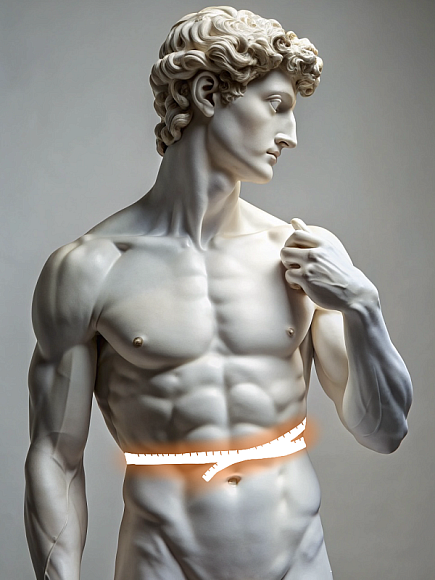
Dietitians develop these plans based on medical data, tests, and personal preferences. It helps normalize weight, improve well-being, manage chronic diseases such as diabetes, gastritis, and hypertension, and reduce the risk of metabolic disorders.
If you have any test results, such as a complete blood count, biochemical blood test, lipid profile, glucose test, or ultrasound of the gastrointestinal tract, it is worth bringing them to your appointment. This will help the specialist determine your body's needs more accurately. It is also helpful to formulate your goals in advance, such as weight loss, weight gain, or dietary adjustments for a medical condition.
The consultation begins with a detailed interview in which the specialist asks about your lifestyle, sleep patterns, physical activity, past illnesses, eating habits, and preferences. Anthropometry, or weighing and measuring height and body circumferences, is performed, as well as occasional bioelectrical impedance analysis of body composition. Based on the collected data, the dietitian creates a personalized, balanced diet plan that is calculated according to calorie content and nutrient composition (proteins, fats, carbohydrates, vitamins, and minerals). The patient receives a detailed menu with meal options and diet recommendations.
We use bioelectrical impedance analysis scales, a height meter, a tonometer, and, in some cases, software that calculates nutrient composition to evaluate your condition.
Nutritional adjustments do not require a rehabilitation period. However, you may experience discomfort during the first few days of adapting to a new diet, such as changes in your usual routine or feelings of hunger or satiety at unusual times. These feelings are temporary. Your specialist may suggest a follow-up consultation in two to four weeks to assess your progress and adjust your plan, if necessary.
Benefits
Consider medical conditions
Recommendations are adapted to existing diagnoses
Effective
Changes occur gradually, steadily, and sustainably
Safe
Supervised nutrition by a dietitian eliminates deficiencies and risks
Personalized
The diet is created based on the patient's characteristics and goals
Frequently Asked Questions
Do I have to give up my favorite foods?
How long does it take to develop a nutrition plan?
Didn't find an answer to your question?
You can describe your problem in detail and ask a question to the doctor. He will answer you and help you find a solution
Врачи
Смотреть всех врачейSimilar referral activities
Bioelectrical impedance analysis
Bioelectrical impedance analysis (BIA) is a modern, noninvasive diagnostic method used to determine body composition. It involves measuring the electrical resistance of body tissues.
Dietician appointment
Appointment with a dietitian is an individual consultation with a specialist who diagnoses and corrects nutritional disorders, selects diets, and supports patients with metabolic, gastroenterological, endocrine, and other diseases.
Therapist consultation
An initial medical appointment, during which the doctor evaluates the patient's health status, diagnoses various diseases, prescribes treatment or directs to specialized specialists.
Comprehensive program "No strength"
An examination aimed at diagnosing the causes of apathy, weakness, and decreased energy that affect the quality of life.
How to reach


- Route from exit 4 of the «Belorusskaya» metro station
- Route from exit 2 of the «Belorusskaya» metro station
How to get
From the Belorusskaya metro station of the Zamoskvoretskaya line - exit 4 After exiting the subway, walk through the pedestrian tunnel and climb the stairs. Move towards the railway tracks, go down the stairs immediately after them and walk along the house, then turn right onto 1st Yamskoye Pole Street. At the turn to 3rd Yamsky Pole Street, cross the road at the pedestrian crossing and continue along 1st Yamsky Field Street, after a few buildings on the left you will see Olympus Clinic MARS.
Travel time
9 minutes
Landmark
Olympus Clinic MARS sign
How to get
From the Belorusskaya metro station of the Ring line - exit 2. After exiting the subway, turn left and walk to the pedestrian crossing. Cross the road through two pedestrian crossings and move along the Tverskoy overpass. Go down the stairs immediately after the railway tracks, walk along the house, then turn right onto 1st Yamskoye Pole Street. At the turn to 3rd Yamsky Pole Street, cross the road at the pedestrian crossing and continue along 1st Yamsky Field Street, after a few buildings on the left you will see Olympus Clinic MARS
Travel time
11 minutes
Landmark
Olympus Clinic MARS sign
Parking lot map
Exit 3 from the metro and 640 meters straight ahead, the clinic will be on the right. Landmark - sign Olymp Clinic
- Route from the «Sukharevskaya» metro station
- Route from the «Tsvetnoy Boulevard» metro station
From the metro station "Tsvetnoy Bulvar"
1 exit to the city, then left to the Garden Ring, at the crossing to the right, crossing the boulevard, one more crossing and at the traffic light to the left. The Olymp Clinic building is located overlooking the Garden Ring to the right of the crossing. Travel time is approximately 9 minutes. Landmark - sign Olymp Clini
From the metro station "Sukharevskaya"
Exit 3 from the metro and 640 meters straight ahead, the clinic will be on the right. Landmark - sign Olymp Clinic
Parking lot map
Exit 3 from the metro and 640 meters straight ahead, the clinic will be on the right. Landmark - sign Olymp Clinic
- The route from the «Airport» metro station
- Route from the «Sokol» metro station
From Sokol metro station
The last car from the center: follow the signs for Exit 5. From the glass doors to the right and go to the end of the passage. Exit to the city by the steps to the left. After exiting the crossing to the street, go straight along Leningradsky Prospekt to the intersection with Chapaevsky Lane. Next, turn right (onto Chapaevsky Lane) and walk to the Triumph Palace residential complex. Entrance to the territory: through checkpoint No. 1, opposite the Vkusville store, you will need to present your passport. After passing through the checkpoint, go up the stairs to the fountain, opposite it you will see our clinic.
Travel time
10-12 minutes
From the Airport metro station
The first car from the center: follow the Exit 2-3 signs. Turn left out of the glass doors and walk to the end of the passage. After exiting the crossing to the street, go straight along Leningradsky Prospekt to the intersection with Chapaevsky Lane. Next, turn left (onto Chapaevsky Lane) and walk to the Triumph Palace residential complex. Entrance to the territory: through checkpoint No. 1, opposite the Vkusville store, you will need to present your passport. After passing through the checkpoint, go up the stairs to the fountain, opposite it you will see our clinic.
Travel time
12-15 minutes
How to get
Entry to the territory is prohibited, but there are free city parking lots around the Triumph Palace residential complex, where you can easily find a place for your car.
- Route from exit 4 of the «Belorusskaya» metro station
- Route from exit 2 of the «Belorusskaya» metro station
How to get
From the Belorusskaya metro station of the Zamoskvoretskaya line - exit 4 After exiting the subway, walk through the pedestrian tunnel and climb the stairs. Move towards the railway tracks, go down the stairs immediately after them and walk along the house, then turn right onto 1st Yamskoye Pole Street. At the turn to 3rd Yamsky Pole Street, cross the road at the pedestrian crossing and continue along 1st Yamsky Field Street, after a few buildings on the left you will see Olympus Clinic MARS.
Travel time
9 minutes
Landmark
Olympus Clinic MARS sign
How to get
From the Belorusskaya metro station of the Ring line - exit 2. After exiting the subway, turn left and walk to the pedestrian crossing. Cross the road through two pedestrian crossings and move along the Tverskoy overpass. Go down the stairs immediately after the railway tracks, walk along the house, then turn right onto 1st Yamskoye Pole Street. At the turn to 3rd Yamsky Pole Street, cross the road at the pedestrian crossing and continue along 1st Yamsky Field Street, after a few buildings on the left you will see Olympus Clinic MARS
Travel time
11 minutes
Landmark
Olympus Clinic MARS sign
Parking lot map
Exit 3 from the metro and 640 meters straight ahead, the clinic will be on the right. Landmark - sign Olymp Clinic