



Allergist's appointment
An appointment with an allergist, where a specialist identifies the causes of an allergic reaction, prescribes diagnostic tests and selects treatment.
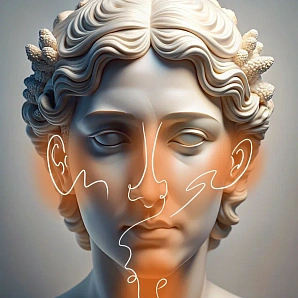
Allergies can manifest in different ways: skin rash, itching, difficulty breathing, coughing, or even anaphylaxis. Consultation with an allergist is necessary to understand the nature of these reactions. The doctor will collect a detailed medical history and identify possible triggers.
Diagnosis may include skin tests or blood tests to detect allergens. Based on the results, the patient receives clear recommendations: from drug therapy to lifestyle adjustments.
Benefits
Accurate diagnosis
Modern methods for detecting allergens and assessing their effects on the body.
Individual therapy
Each appointment is based on the characteristics of the patient.
Preventing complications
Treatment helps to avoid exacerbations and chronic forms of allergies.
Long-term effect
ASIT and preventive measures reduce the risk of allergic reactions in the future.
In what cases is it necessary to see a doctor?
Family history of allergies
If several members of your family have allergic diseases.
Seasonal manifestations
If the symptoms appear seasonally and last several months of the year.
Symptoms of asthma or pollinosis
Shortness of breath, coughing at night or after exercise, shortness of breath.
Preparation
Before consulting an allergist, bring the results of previous studies, if any. Write down the symptoms, indicating their duration and frequency, and also note the foods, medications, or other factors that you think may cause reactions. It is not necessary to cancel medications taken in advance — this can only be done on the recommendation of a doctor.

Consultation
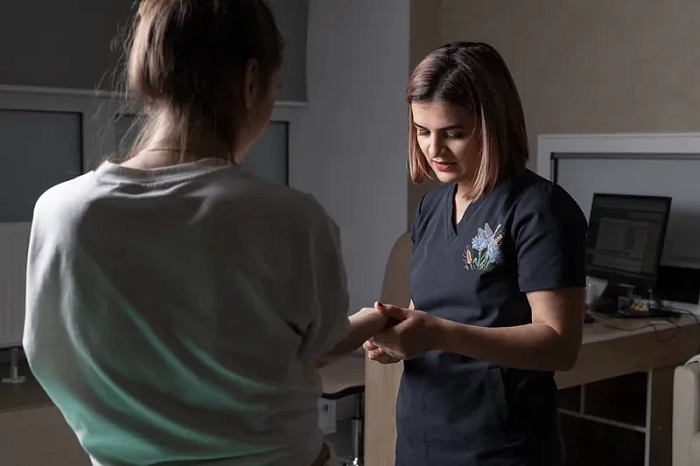
During the appointment, the doctor will examine your medical history, ask questions about your hereditary predisposition, the nature and frequency of symptoms, and clarify their relationship to possible triggers. Next, the doctor will conduct an examination and tell you which diagnostic methods of examination will be recommended (skin tests, blood tests for allergens, spirometry (assessment of respiratory function), etc.). Based on the examination and examination, the allergist will form treatment recommendations, which may include prescribing antihistamines, allergen-specific immunotherapy (ASIT), or recommendations for dietary and lifestyle changes.

Recommendations
According to the results of the consultation, the patient receives personal recommendations.: how to minimize contact with allergens, what medications to take and what to do in case of exacerbation. Regular visits help to monitor the dynamics of the condition and adjust treatment.
Врачи
Смотреть всех врачей
Allergist-Immunologist, Pediatric Allergist-Immunologist

Allergist-immunologist, pediatrician.
Indications and contraindications
Indications
Frequent allergic reactions
If you encounter regular manifestations of allergies that interfere with daily life.
Severe reactions
The presence of anaphylactic reactions or other serious allergic symptoms.
Ineffectiveness of standard treatment
If conventional treatments do not bring relief.
Undefined triggers
When it is necessary to find out the triggers of an allergic reaction.
Expected effect
Improving the quality of life
Reducing the frequency and intensity of allergic reactions.
Accurate diagnosis
Identification of allergens, which allows you to accurately prescribe treatment.
Relief of symptoms
Selection of treatment and prevention to minimize the manifestations of allergies.
Understanding Triggers
Identification of the factors that cause allergic reactions, which helps to avoid them in the future.
Similar referral activities
Diagnosis and treatment of allergic reactions
Allergies can cause a lot of discomfort and, in severe cases, even be life-threatening. Modern diagnostic and therapeutic methods make it possible to identify allergens and bring allergy symptoms under control. In some cases, allergies can be cured permanently.
Diagnosis and treatment of urticaria
Крапивница — это аллергическая реакция, проявляющаяся зудящими волдырями на коже. Своевременная диагностика и лечение помогают устранить симптомы и предотвратить рецидивы.
Записаться на консультацию
Web-form is not found.