

Consultation with a gastroenterologist
Gastroenterology appointment focuses on diagnostics, treatment and prevention of gastrointestinal (GI) diseases.
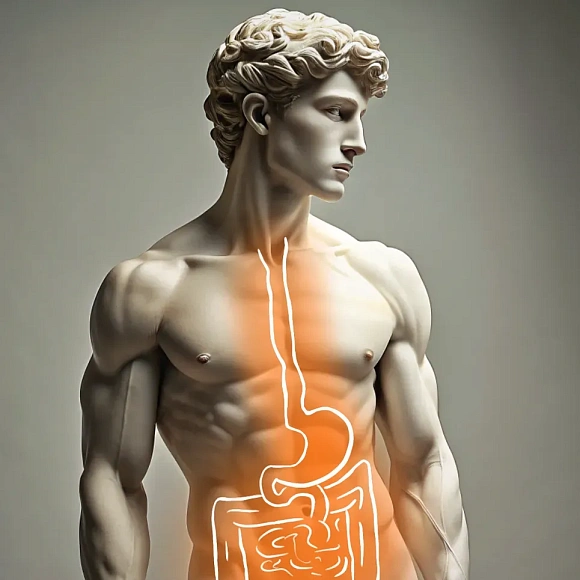
GI diseases can present with a variety of symptoms, including abdominal pain, heartburn, nausea, abdominal bloating, or stool changes.
Gastroenterology encompasses the treatment of a wide range of medical conditions, including gastritis, peptic ulcer disease, pancreatic diseases (such as pancreatitis), inflammatory bowel diseases (e.g., Crohn's disease and ulcerative colitis), and functional gastrointestinal diseases (e.g., irritable bowel syndrome and functional dyspepsia). The primary objective is to develop a comprehensive examination and treatment strategy that aims to achieve three key goals: early detection of GI diseases, prevention of serious complications, and elimination of the underlying causes of GI diseases.
Benefits
Integrated approach
Treatment adapted to all aspects of the patient's health.
Personal recommendations
Dietary and lifestyle guidance to help improve the patient's condition.
Informational support
Patients receive information regarding their condition, enabling them to more effectively manage their health.
In what cases is it necessary to see a doctor?
Chronic or acute abdominal pain
Abdominal pain can be a sign of severe GI disorders.
Digestive changes
Heartburn, diarrhea or constipation may indicate inflammation or other conditions.
Sudden weight changes
Unexpected weight loss or gain for no apparent reason.
GI consultation preparation
Please bring any previous test results that you may have. Write down the symptoms, noting their duration and correlation with food intake. Also have a list of all medications you are taking prepared.
GI consultation
The GI specialist will confirm the patient's complaints, review the history of the disease's progression, and inquire about dietary habits and hereditary factors. To ensure accurate diagnostics, additional laboratory and instrumental tests, such as blood and stool tests, ultrasound, gastroscopy, and colonoscopy, may be prescribed. The GI specialist will then develop a treatment plan for the patient, which may include medication therapy, diet and lifestyle recommendations.

Recommendations
After a thorough consultation and examination, patients receive personalized recommendations on treatment and nutrition. Regular checkups help monitor progress and adjust treatment as needed.
Врачи
Смотреть всех врачейIndications and contraindications
Indications
Complaints of abdominal pain, heartburn, belching
Symptoms that may indicate gastritis, ulcers, or other gastrointestinal diseases.
Digestive disorders such as diarrhea or constipation
Symptoms that require the exclusion of inflammatory, functional and more serious diseases.
Suspected food intolerance
The need to find out the reasons and select a diet.
Family history of the gastrointestinal tract
If the next of kin had gastrointestinal diseases, preventive consultation is recommended.
Similar referral activities
The Restless Belly Program
A comprehensive examination aimed at identifying the main causes of problems with the gastrointestinal tract. Modern non-invasive diagnostic methods ensure fast and accurate diagnosis.
Healthy Liver Program
A method for the detection and treatment of liver diseases that combines various diagnostic and therapeutic approaches. A comprehensive examination and consultations with experts allow you to quickly and accurately establish a diagnosis.
How to reach


- Route from exit 4 of the «Belorusskaya» metro station
- Route from exit 2 of the «Belorusskaya» metro station
How to get
From the Belorusskaya metro station of the Zamoskvoretskaya line - exit 4 After exiting the subway, walk through the pedestrian tunnel and climb the stairs. Move towards the railway tracks, go down the stairs immediately after them and walk along the house, then turn right onto 1st Yamskoye Pole Street. At the turn to 3rd Yamsky Pole Street, cross the road at the pedestrian crossing and continue along 1st Yamsky Field Street, after a few buildings on the left you will see Olympus Clinic MARS.
Travel time
9 minutes
Landmark
Olympus Clinic MARS sign
How to get
From the Belorusskaya metro station of the Ring line - exit 2. After exiting the subway, turn left and walk to the pedestrian crossing. Cross the road through two pedestrian crossings and move along the Tverskoy overpass. Go down the stairs immediately after the railway tracks, walk along the house, then turn right onto 1st Yamskoye Pole Street. At the turn to 3rd Yamsky Pole Street, cross the road at the pedestrian crossing and continue along 1st Yamsky Field Street, after a few buildings on the left you will see Olympus Clinic MARS
Travel time
11 minutes
Landmark
Olympus Clinic MARS sign
Parking lot map
Exit 3 from the metro and 640 meters straight ahead, the clinic will be on the right. Landmark - sign Olymp Clinic
- Route from the «Sukharevskaya» metro station
- Route from the «Tsvetnoy Boulevard» metro station
From the metro station "Tsvetnoy Bulvar"
1 exit to the city, then left to the Garden Ring, at the crossing to the right, crossing the boulevard, one more crossing and at the traffic light to the left. The Olymp Clinic building is located overlooking the Garden Ring to the right of the crossing. Travel time is approximately 9 minutes. Landmark - sign Olymp Clini
From the metro station "Sukharevskaya"
Exit 3 from the metro and 640 meters straight ahead, the clinic will be on the right. Landmark - sign Olymp Clinic
Parking lot map
Exit 3 from the metro and 640 meters straight ahead, the clinic will be on the right. Landmark - sign Olymp Clinic
- The route from the «Airport» metro station
- Route from the «Sokol» metro station
From Sokol metro station
The last car from the center: follow the signs for Exit 5. From the glass doors to the right and go to the end of the passage. Exit to the city by the steps to the left. After exiting the crossing to the street, go straight along Leningradsky Prospekt to the intersection with Chapaevsky Lane. Next, turn right (onto Chapaevsky Lane) and walk to the Triumph Palace residential complex. Entrance to the territory: through checkpoint No. 1, opposite the Vkusville store, you will need to present your passport. After passing through the checkpoint, go up the stairs to the fountain, opposite it you will see our clinic.
Travel time
10-12 minutes
From the Airport metro station
The first car from the center: follow the Exit 2-3 signs. Turn left out of the glass doors and walk to the end of the passage. After exiting the crossing to the street, go straight along Leningradsky Prospekt to the intersection with Chapaevsky Lane. Next, turn left (onto Chapaevsky Lane) and walk to the Triumph Palace residential complex. Entrance to the territory: through checkpoint No. 1, opposite the Vkusville store, you will need to present your passport. After passing through the checkpoint, go up the stairs to the fountain, opposite it you will see our clinic.
Travel time
12-15 minutes
How to get
Entry to the territory is prohibited, but there are free city parking lots around the Triumph Palace residential complex, where you can easily find a place for your car.
- Route from exit 4 of the «Belorusskaya» metro station
- Route from exit 2 of the «Belorusskaya» metro station
How to get
From the Belorusskaya metro station of the Zamoskvoretskaya line - exit 4 After exiting the subway, walk through the pedestrian tunnel and climb the stairs. Move towards the railway tracks, go down the stairs immediately after them and walk along the house, then turn right onto 1st Yamskoye Pole Street. At the turn to 3rd Yamsky Pole Street, cross the road at the pedestrian crossing and continue along 1st Yamsky Field Street, after a few buildings on the left you will see Olympus Clinic MARS.
Travel time
9 minutes
Landmark
Olympus Clinic MARS sign
How to get
From the Belorusskaya metro station of the Ring line - exit 2. After exiting the subway, turn left and walk to the pedestrian crossing. Cross the road through two pedestrian crossings and move along the Tverskoy overpass. Go down the stairs immediately after the railway tracks, walk along the house, then turn right onto 1st Yamskoye Pole Street. At the turn to 3rd Yamsky Pole Street, cross the road at the pedestrian crossing and continue along 1st Yamsky Field Street, after a few buildings on the left you will see Olympus Clinic MARS
Travel time
11 minutes
Landmark
Olympus Clinic MARS sign
Parking lot map
Exit 3 from the metro and 640 meters straight ahead, the clinic will be on the right. Landmark - sign Olymp Clinic