

Consultation of an infectious disease specialist
An infectious disease specialist evaluates symptoms, identifies infectious agents, and develops recommendations for the treatment and prevention of the spread of infections.
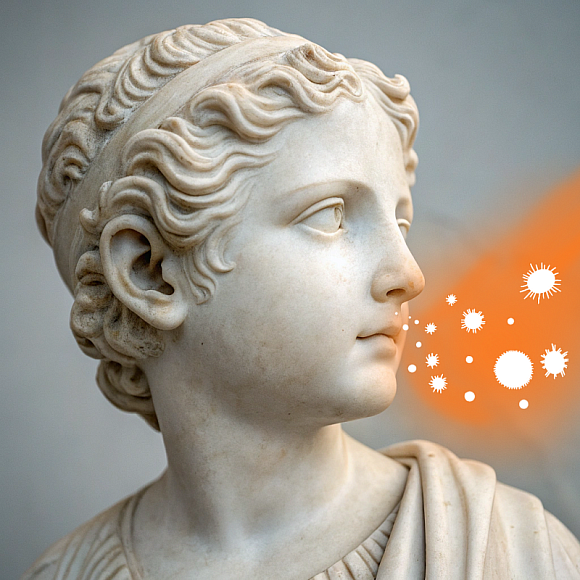
Infectious diseases can range from acute infections such as influenza and gastroenteritis to chronic conditions such as hepatitis and HIV.
Benefits
An integrated approach to diagnosis
An infectious disease specialist uses a variety of diagnostic methods to accurately identify the causative agent of infection.
Highly qualified and experienced
Infectious disease specialists can effectively diagnose and treat even rare and complex infections.
Recommendations for prevention
The doctor gives advice on infection prevention, including vaccination, hygiene measures and behavior in conditions of increased risk of infection.
The speed and accuracy of treatment
Rapid diagnosis and the appointment of adequate treatment contribute to a rapid recovery.
Preparation for consultation with an infectious disease specialist
It is recommended to collect complete information about the symptoms, their duration and intensity, as well as about the history of diseases and travel. It is important to prepare a list of medications taken and the results of previous medical examinations. Patients should avoid taking antibacterial and other specific medications a few days before the visit.
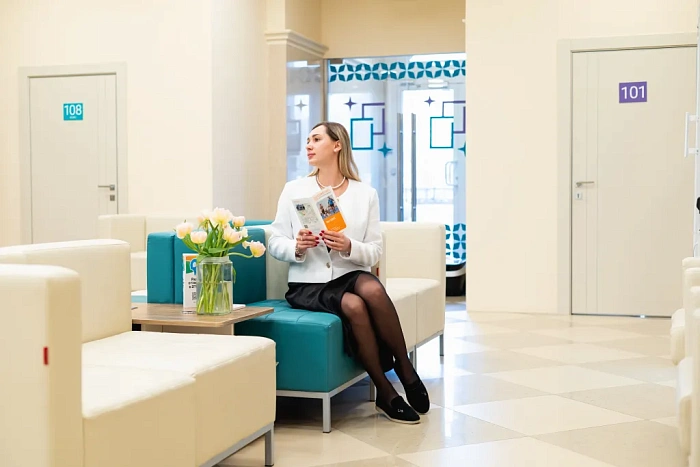
Consultation of an infectious disease specialist
During the consultation, the doctor interviews the patient about symptoms, medical history, contacts with patients and recent travels, as well as conducts a physical examination. Laboratory tests of blood, urine, feces, swabs from the pharynx or other biological fluids, as well as instrumental studies such as X-ray or ultrasound examination may be prescribed.

Recommendations after consultation with an infectious disease specialist
The patient must follow the prescribed treatment plan, take medications in accordance with the doctor's recommendations and observe isolation if necessary. It is important to maintain hygiene and avoid contact with other people. The patient is also advised to inform the doctor about any changes in the condition and come for follow-up examinations.

Врачи
Смотреть всех врачейIndications and contraindications
Indications
Acute infectious diseases
Symptoms such as fever, fever, rashes, vomiting or diarrhea require urgent consultation with an infectious disease specialist.
Chronic infectious conditions
The presence of chronic infections such as hepatitis or HIV.
Unexplained symptoms
Prolonged weakness, weight loss, night sweats and other unexplained symptoms.
Prevention before travel
Consultation with an infectious disease specialist is necessary before traveling to regions with an increased risk of infectious diseases.
Expected effect
Accurate diagnosis
Diagnostic tests, such as serological studies, PCR and cultural methods, make it possible to determine the causative agent of infection.
Individual treatment plan
The treatment plan may include antibacterial, antiviral, antifungal, or antiparasitic therapy.
Prevention of the spread of infection
Developing measures to prevent transmission of infection to other people, which is especially important in the case of infectious diseases.
Improving the state of health
Rapid recovery, reduction of symptoms and restoration of normal health.
How to reach


- Route from exit 4 of the «Belorusskaya» metro station
- Route from exit 2 of the «Belorusskaya» metro station
How to get
From the Belorusskaya metro station of the Zamoskvoretskaya line - exit 4 After exiting the subway, walk through the pedestrian tunnel and climb the stairs. Move towards the railway tracks, go down the stairs immediately after them and walk along the house, then turn right onto 1st Yamskoye Pole Street. At the turn to 3rd Yamsky Pole Street, cross the road at the pedestrian crossing and continue along 1st Yamsky Field Street, after a few buildings on the left you will see Olympus Clinic MARS.
Travel time
9 minutes
Landmark
Olympus Clinic MARS sign
How to get
From the Belorusskaya metro station of the Ring line - exit 2. After exiting the subway, turn left and walk to the pedestrian crossing. Cross the road through two pedestrian crossings and move along the Tverskoy overpass. Go down the stairs immediately after the railway tracks, walk along the house, then turn right onto 1st Yamskoye Pole Street. At the turn to 3rd Yamsky Pole Street, cross the road at the pedestrian crossing and continue along 1st Yamsky Field Street, after a few buildings on the left you will see Olympus Clinic MARS
Travel time
11 minutes
Landmark
Olympus Clinic MARS sign
Parking lot map
Exit 3 from the metro and 640 meters straight ahead, the clinic will be on the right. Landmark - sign Olymp Clinic
- Route from the «Sukharevskaya» metro station
- Route from the «Tsvetnoy Boulevard» metro station
From the metro station "Tsvetnoy Bulvar"
1 exit to the city, then left to the Garden Ring, at the crossing to the right, crossing the boulevard, one more crossing and at the traffic light to the left. The Olymp Clinic building is located overlooking the Garden Ring to the right of the crossing. Travel time is approximately 9 minutes. Landmark - sign Olymp Clini
From the metro station "Sukharevskaya"
Exit 3 from the metro and 640 meters straight ahead, the clinic will be on the right. Landmark - sign Olymp Clinic
Parking lot map
Exit 3 from the metro and 640 meters straight ahead, the clinic will be on the right. Landmark - sign Olymp Clinic
- The route from the «Airport» metro station
- Route from the «Sokol» metro station
From Sokol metro station
The last car from the center: follow the signs for Exit 5. From the glass doors to the right and go to the end of the passage. Exit to the city by the steps to the left. After exiting the crossing to the street, go straight along Leningradsky Prospekt to the intersection with Chapaevsky Lane. Next, turn right (onto Chapaevsky Lane) and walk to the Triumph Palace residential complex. Entrance to the territory: through checkpoint No. 1, opposite the Vkusville store, you will need to present your passport. After passing through the checkpoint, go up the stairs to the fountain, opposite it you will see our clinic.
Travel time
10-12 minutes
From the Airport metro station
The first car from the center: follow the Exit 2-3 signs. Turn left out of the glass doors and walk to the end of the passage. After exiting the crossing to the street, go straight along Leningradsky Prospekt to the intersection with Chapaevsky Lane. Next, turn left (onto Chapaevsky Lane) and walk to the Triumph Palace residential complex. Entrance to the territory: through checkpoint No. 1, opposite the Vkusville store, you will need to present your passport. After passing through the checkpoint, go up the stairs to the fountain, opposite it you will see our clinic.
Travel time
12-15 minutes
How to get
Entry to the territory is prohibited, but there are free city parking lots around the Triumph Palace residential complex, where you can easily find a place for your car.
- Route from exit 4 of the «Belorusskaya» metro station
- Route from exit 2 of the «Belorusskaya» metro station
How to get
From the Belorusskaya metro station of the Zamoskvoretskaya line - exit 4 After exiting the subway, walk through the pedestrian tunnel and climb the stairs. Move towards the railway tracks, go down the stairs immediately after them and walk along the house, then turn right onto 1st Yamskoye Pole Street. At the turn to 3rd Yamsky Pole Street, cross the road at the pedestrian crossing and continue along 1st Yamsky Field Street, after a few buildings on the left you will see Olympus Clinic MARS.
Travel time
9 minutes
Landmark
Olympus Clinic MARS sign
How to get
From the Belorusskaya metro station of the Ring line - exit 2. After exiting the subway, turn left and walk to the pedestrian crossing. Cross the road through two pedestrian crossings and move along the Tverskoy overpass. Go down the stairs immediately after the railway tracks, walk along the house, then turn right onto 1st Yamskoye Pole Street. At the turn to 3rd Yamsky Pole Street, cross the road at the pedestrian crossing and continue along 1st Yamsky Field Street, after a few buildings on the left you will see Olympus Clinic MARS
Travel time
11 minutes
Landmark
Olympus Clinic MARS sign
Parking lot map
Exit 3 from the metro and 640 meters straight ahead, the clinic will be on the right. Landmark - sign Olymp Clinic